Newsletter Subscribe
Enter your email address below and subscribe to our newsletter

 ByJohn A
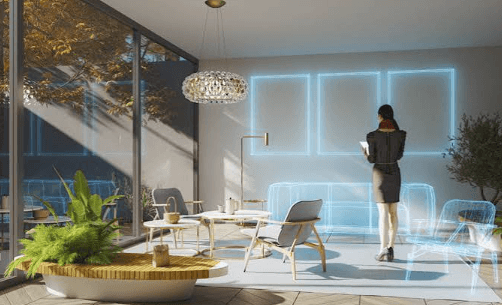
Artificial intelligence is reshaping interior design by translating client intent into measurable spatial logic. AI accelerates visualization, iteration, and validation while balancing aesthetics with function. It enables personalized moods, lighting, and comfort at scale, and supports sustainable material choices. Yet ethical governance, transparency, and accountability shape every decision. The approach promises cohesive experiences across environments, but questions remain about equity, data use, and human-centric value — inviting further exploration into where it leads next.
AI is redefining interior design by enabling data-guided decisions that bridge aesthetics and function.
The discourse centers on foundational theory and frontier innovations, where emerging algorithms translate client intent into spatial logic while preserving human-centric values.
Each iteration prompts critical scrutiny of ethical deployment, ensuring transparency, accountability, and equitable outcomes within adaptive environments that empower designers, clients, and communities without stifling creative freedom.
Design teams increasingly rely on a suite of AI-assisted tools to visualize concepts, iterate rapidly, and validate outcomes against real-world constraints. These tools translate design intent into interactive models, leveraging vision metrics to quantify aesthetics and spatial harmony. Data collaboration binds disciplines, ensuring cohesive decisions. The result is faster refinement, clearer stakeholder alignment, and measurable confidence throughout conceptualization, prototyping, and execution.
As design teams move from broad capability to individualized impact, personalization at scale leverages AI to tailor mood, light, and comfort across spaces without sacrificing consistency.
Systems monitor occupancy, circadian cues, and preferences, translating data into adaptive environments.
This approach enables mood based lighting and ambient adjustments that feel intentional yet effortless, supporting freedom while maintaining cohesive, design-forward experiences across diverse settings.
See also: Artificial Intelligence in Intellectual Property
To translate AI potential into reliable, responsible practice, practitioners must embed ethics, sustainability, and efficiency from the outset. The field advances through ethics governance, transparent decision-making, and clear accountability frameworks, aligning design goals with user well-being. Lifecycle assessment informs material choices and long-term impacts, enabling measurable reductions. Practitioners translate theory into practical, scalable systems that respect freedom, quality, and ecological balance.
AI systems adjust color perception via lighting adaptation, analyzing ambient cues to maintain color accuracy; they incorporate cultural preferences and durability forecasting, while prioritizing privacy safeguards and revealing trend-aware insights for designers seeking freedom and flexibility.
AI can consider cultural aesthetics in interiors by weighing regional motifs, materials, and symbolism, producing culturally aware recommendations; it analyzes interior symbolism, adapts palettes, and respects traditions while maintaining contemporary versatility and user freedom in design exploration.
The cost of AI workflow integration varies, but Design workflow cost typically includes software, licenses, data prep, and training. It enables streamlined processes, scalable collaboration, and rapid prototyping, with ongoing maintenance shaping total expense and long-term value.
Privacy safeguards are implemented through robust data governance, privacy controls, and encryption standards, ensuring client information remains confidential; practices emphasize consent, access limitations, and ongoing auditing, reflecting a trend-aware commitment to secure, freedom-driven design collaboration.
AI can offer predictive durability and maintenance forecasting, though outcomes are probabilistic; visual representations illustrate potential trajectories. It provides trend-aware insights while preserving freedom, yet users should verify forecasts with empirical testing and long-term monitoring.
In the workshop of modern spaces, AI acts as a patient apprentice, tracing a seeker’s map while the master craftsman shapes the room. It whispers possibilities, tests a hundred dawn-lightings, and notes every human preference like constellations. Yet governance stands as the steady compass—ethics, sustainability, accountability guiding each stroke. When harmony between algorithm and human values prevails, interiors evolve into living narratives: efficient, beautiful, and equitably inviting, where technology serves conscience as much as curiosity.